A quiet, remotely controlled backup power container system was tailored for the F Building of Oulu University Hospital
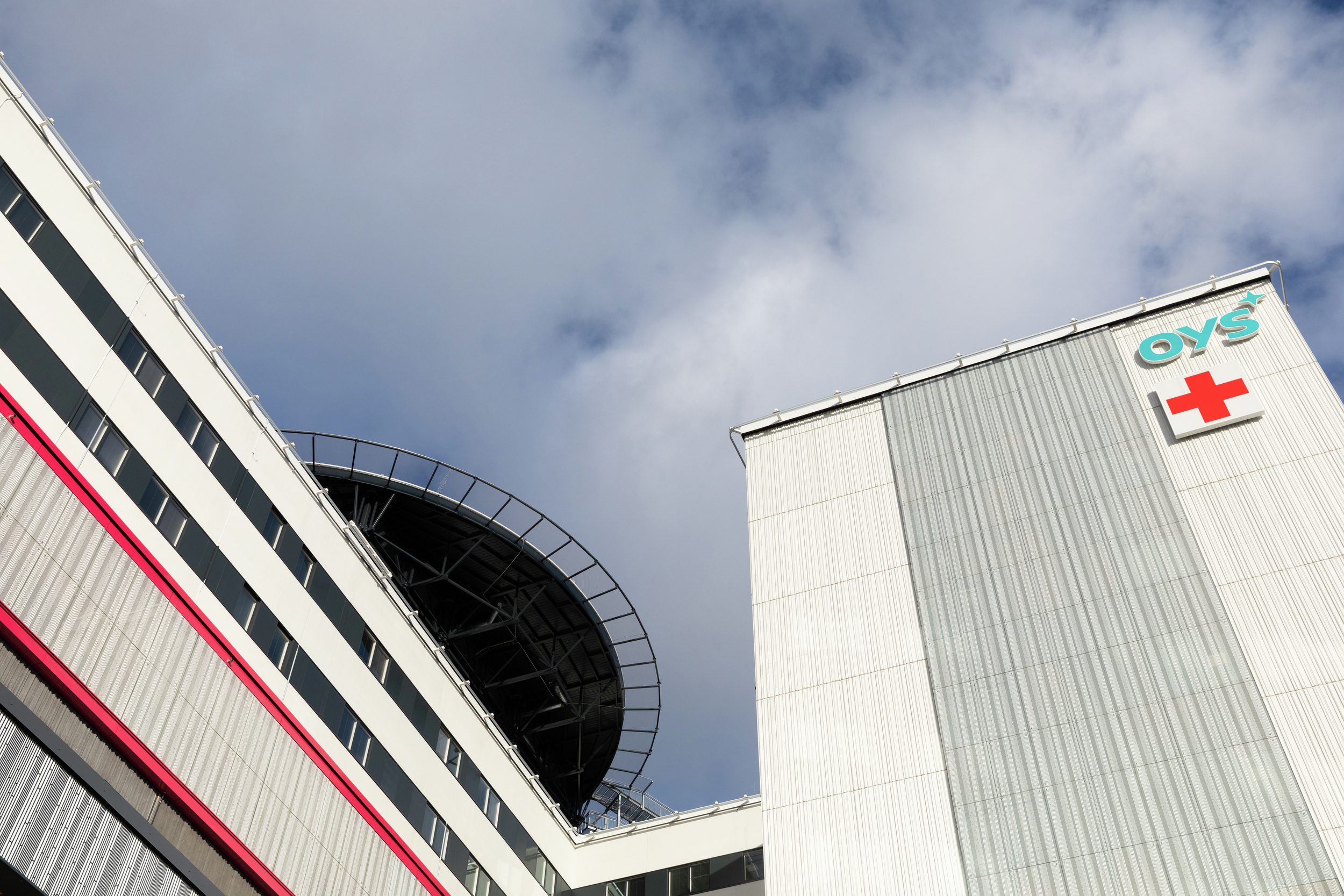
The OYS 2030 renewal project has progressed to the F Building, whose backup power solution consists of backup power containers designed by kW-set specifically for the site.
Oulu University Hospital (OYS) is expanding in phases. kW-set has been involved in the backup power contracts for the A and B Buildings as well as for the F Building, which will be completed in autumn 2025. Its power supply is secured by two backup power containers.
“The backup power units were placed in a cramped inner courtyard outside the F Building, because the size of the building was reduced and the basement space planned for backup power was taken into other use,” says Sauli Kurttila, Project Manager in electrical engineering at the Wellbeing Services County of North Ostrobothnia (Pohde).
Pohde’s experts were not enthusiastic about the container solution at first, because the list of requirements was long. The backup power units must be easy to maintain, clear to operate and quiet.
“In addition, the backup power units must operate fully automatically, and the F Building’s backup power units were to be integrated with the backup power solutions of the A, B and E Buildings,” adds Mika Joona, Maintenance Supervisor in electrical engineering at Pohde. “From the very beginning, kW-set fully understood our level of requirements.”
A specially built backup power container from floor to ceiling
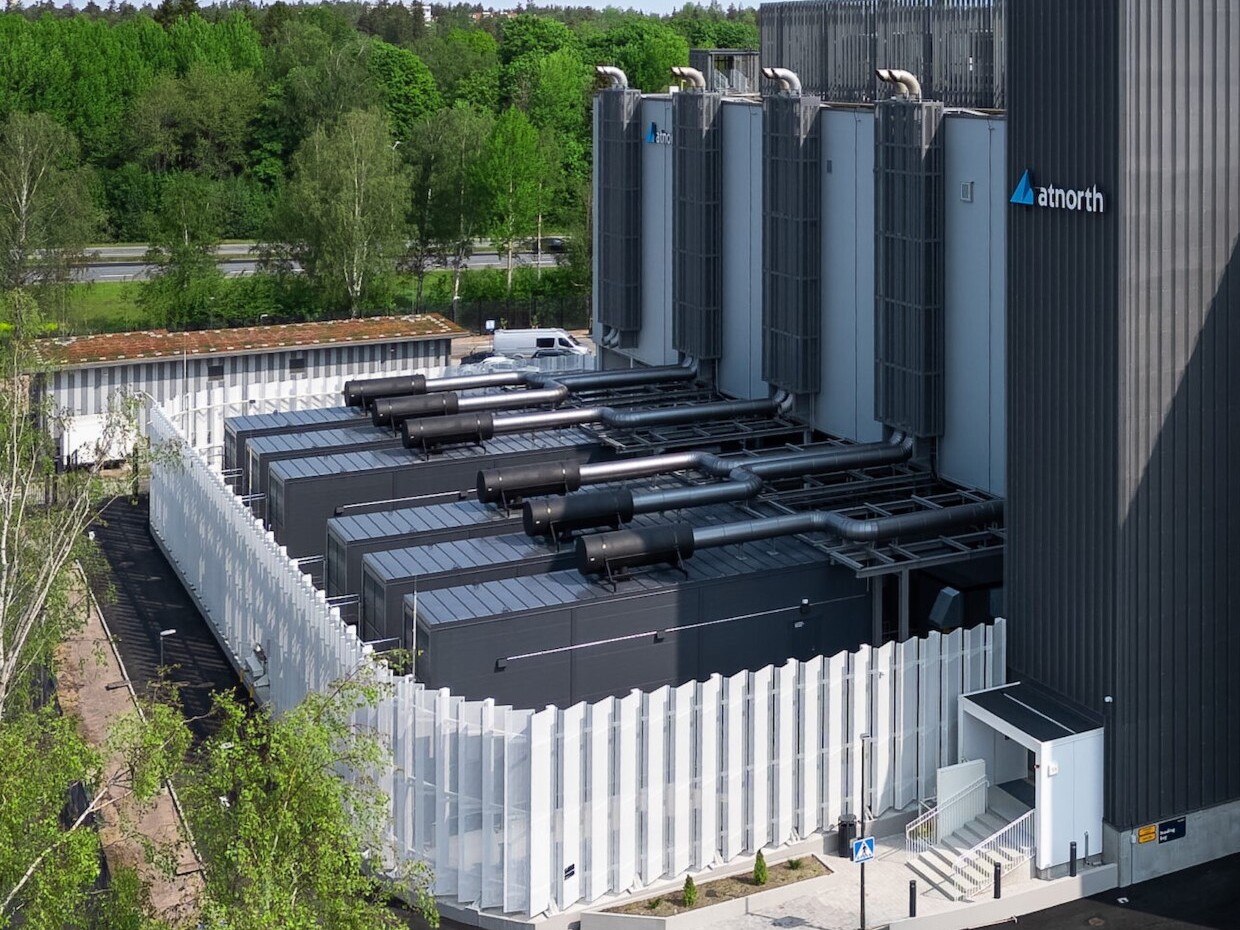
The Cummins backup power units were installed in two custom-built containers whose every detail matches the needs of OYS. In structure and layout, the special containers are mirror images of each other, and they are placed back to back. Each container is 14.5 metres long, 3 metres wide and 6 metres high, and they are clad on the outside with sheet metal cassettes in line with the architect’s wishes.
“The two-container system contains six space elements: two engine rooms, two supply air chambers and two exhaust air chambers,” says Jouni Varis, Project Manager at kW-set. “We selected our very best experts for the design and commissioning of this demanding system.”
A special feature of the containers is their removable gable roofs, through which the backup power units can be installed and, in due course, replaced. Usually, backup power units are brought in and out through the ends of the container. “Thanks to the seam in the exterior cladding, the roof can be opened with minor dismantling work, and the roof equipment is also relatively easy to remove,” Varis explains.
The removable roof makes it possible to move the units with a crane when necessary, and the solution also made the base structure easier to build. Sound-attenuating noise traps were placed at one end, while the other end serves as a control room separated from the engine room, housing the control centres of the backup power units.
“As the project progressed, it was decided to provide access from the control rooms directly into the engine rooms through soundproofed doors,” Varis says.
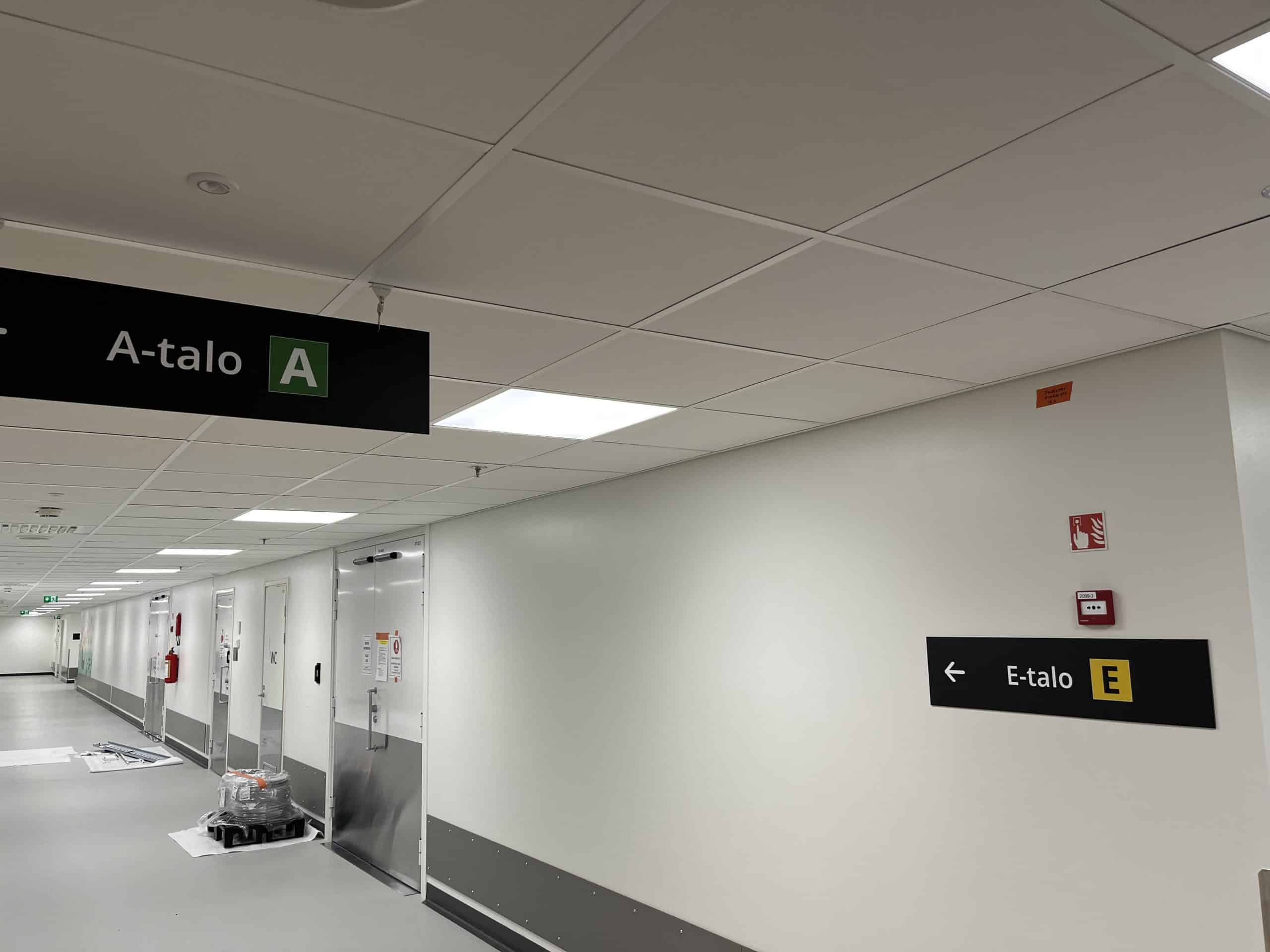
The backup power units are, however, fully remotely controllable. “In addition, the backup power units of the A, B, E and F Buildings have been integrated together,” Joona says with satisfaction. The units can be monitored through the power grid monitoring system, and the status of each backup power unit, for example during a power outage, can be seen from a single station.
Power cabling for the SAT tests was routed through a service hatch
After the factory test runs of the backup power containers, i.e. the FAT tests (Factory Acceptance Test), commissioning continued at the Oulu hospital campus. The hauling work was far from easy.
“The containers were lifted into the cramped inner courtyard with a crane over one hospital wing, which had to be empty during the lift. The schedule had to hold perfectly,” Varis emphasises.
The SAT tests (Site Acceptance Test) were carried out and documented in the same way as previously in the A and B Buildings. Load banks were partly used as the artificial load for the tests. Wrist-thick power cables were routed from the container through a service hatch to two load banks with a combined output equivalent to approximately 140 sauna heaters.
“Thanks to the cable hatches, the cables did not have to be pulled through the access doors, which fulfilled the client’s original wish to keep passage through the inner courtyard as clear as possible,” Varis says. At the same time, the noise carried to the surroundings during the test runs was reduced.
The noise level of the backup power containers was verified with noise measurements
A running diesel generator can produce around 120 decibels (dB) of sound, but the noise level of the F Building’s backup power solution was specified as a very quiet 70 dB at a distance of seven metres from the container. In the control rooms, the noise level must stay below 80 dB, at which point hearing protection is not yet required.
“Because of the container’s location, noise was the biggest challenge of the contract, but kW-set’s solution worked very well,” Kurttila says. The noise levels were verified with noise measurements. “When the unit was running, a slight vibration could be felt in the stairwell of the F Building, but passers-by had no idea that a diesel generator was running in the courtyard.”
According to Varis, most of the noise to the surroundings comes from engine sound carried through the supply and exhaust air of the cooling ventilation. Because large units must be cooled efficiently, the air volumes are as large as in a wind tunnel. “The ventilation noise is attenuated with efficient noise traps located in the exhaust and supply air chambers at the ends of the container.”
Efficient silencers have also been connected to the exhaust pipes, and due to their large size they were placed on the roof of the container. The exhaust pipes are exceptionally long, because, in accordance with the PIPO Decree, the exhaust gases are directed away from the inner courtyard along the side of the F Building up to the roof. “An additional benefit of the long exhaust pipes is a reduced noise load. Exhaust pipes produce the most sound from their outlets,” Varis says.
The fuel tanks of the backup power containers can withstand an 8-hour power outage. In addition, 24-hour fuel storage tanks with control systems were installed on the customer’s premises. Level and leak sensors automatically monitor how much fuel remains and cut off the fuel supply in the event of a fault.
The backup power contract met the client’s wishes
In Mika Joona’s opinion, the cooperation in the F Building’s backup power contract was even more successful than in the A and B Buildings. “After all, both sides have developed. The client’s wishes were implemented down to the last detail. We trust that kW-set’s solution will last at least 30 years.”
OYS also requires the supplier of the backup power plant to provide reliable aftercare for the backup power units, such as maintenance and spare parts. “That’s why it is easy to work with a supplier who understands our situation and knows our level of requirements,” Kurttila adds.
Sauli Komulainen, Building Services Expert at NCC, which was responsible for the alliance’s electrical contract, describes the experience with kW-set as good. Nor did he expect anything else. “We have worked together before. They know what they are delivering, and the electrical contractor does not need to intervene much.”
Backup power container solution
- Design, installation and transport
- Coordination of hauling on site
- Commissioning, incl. FAT and SAT tests
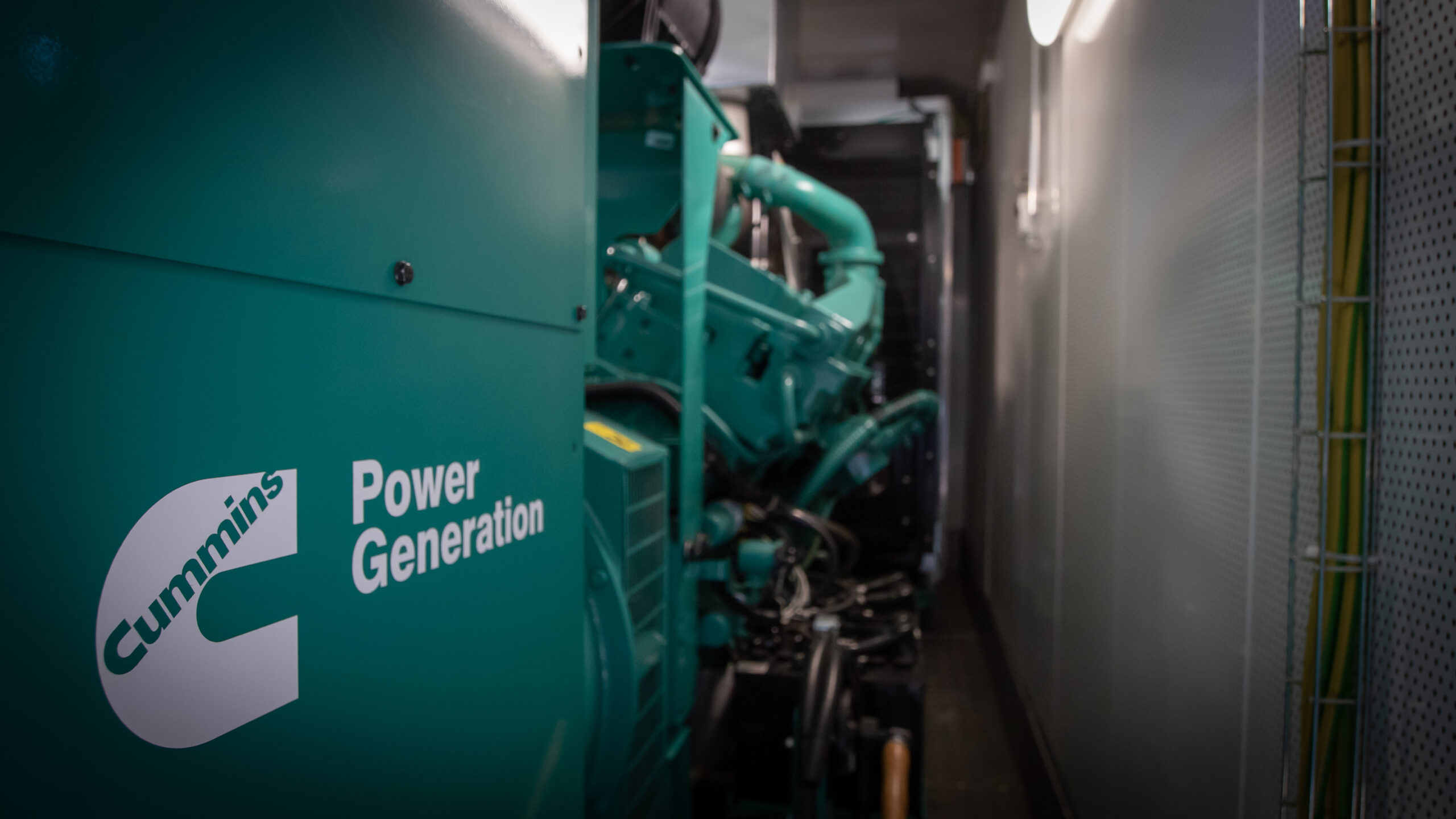
- 2 x 1,250 kVA Cummins backup power units
- Control and automation system
- Fuel system
- Fuel storage tanks
- Temperature monitoring equipment
- Engine room recirculation dampers
- Sound attenuation solutions, incl. noise traps and silencers
- Integration of the backup power of the A, B, E and F Buildings
- 4-year warranty
Read more about the backup power equipment and services we offer
We are the official dealer of Cummins backup power units in Finland